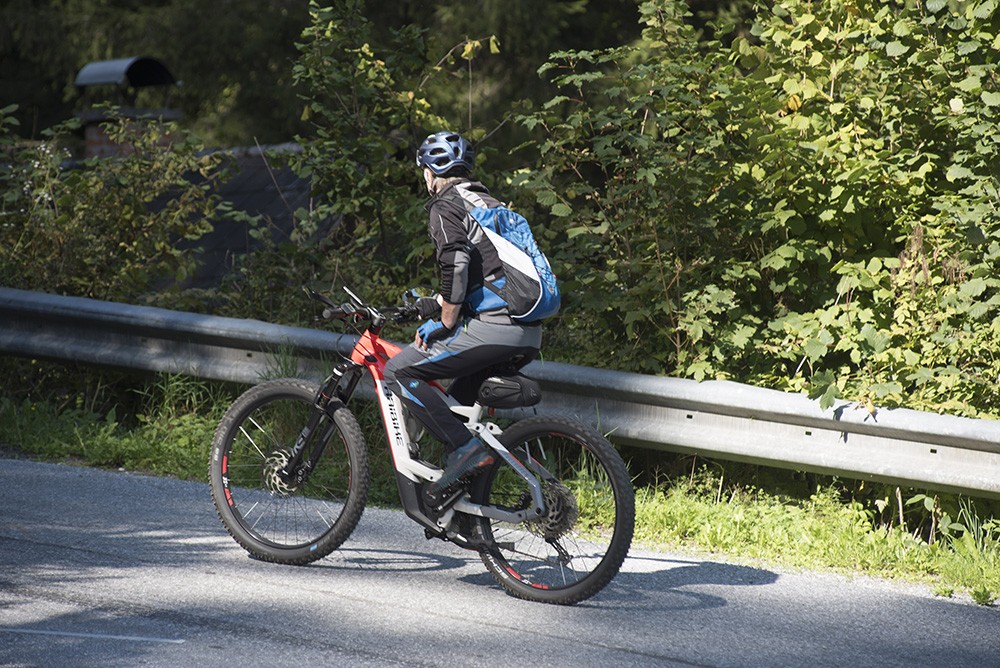
Teen drivers and experienced motorists are encountering a rapidly growing roadway hazard that is contributing to more crashes and fatalities. The increasing popularity of e-bikes has changed the traffic landscape, particularly near schools and residential neighborhoods.
With more kids and teens riding e-bikes to school, parks and running errands around town, young drivers must learn how to safely share the road with riders whose speed and unpredictable movements can make them difficult to anticipate.
"One of the biggest adjustments drivers need to make is recognizing that an e-bike doesn't behave like a traditional bicycle, " said Nancy Pullen-Seufert, director of the National Center for Safe Routes to School.
There were over 54,000 traffic crashes involving vehicles and cyclists, according to one survey by the National Highway Traffic Safety Administration.
NHTSA officials say many of those crashes could have been prevented if motorists were alert and looked out for cyclists and did not misjudge their movements.
As e-bikes become increasingly common in school zones and neighborhoods, teen drivers should expect young e-bikers to travel at speeds that can be difficult to judge at first glance.
"Its higher operating speed changes how quickly gaps close at intersections and driveways, making it essential for motorists to reassess before turning or pulling into traffic," said Pullen-Seufert, an advocate of road safety for more than two decades.
Pullen-Seufert has led national initiatives focused on school zone safety, driver awareness and educating teen drivers about safely sharing the road with the growing number of e-bike riders.
The following tips help teen drivers safely share the road with e-bikers of all ages.:
1. Be extra alert during the first weeks
At the beginning of a new school year, many students will still be settling back into their daily routines and safe riding habits.
This is a good time for both teen and adult drivers to reset their own driving habits by slowing down, scanning intersections more carefully and expecting heavier e-bike traffic along school routes.
2. Don’t underestimate an e-bike’s approach speed.
Many e-bikes can travel between 20 and 28 mph, allowing students to move through school zones and neighborhood streets much faster than drivers may expect.
Before pulling out from a stop sign, driveway or parking lot near a school, take an extra moment to judge an approaching rider's speed. An e-bike that appears to be a safe distance away can reach your path much sooner than a traditional bicycle.
3. Watch for e-bikes in unexpected places
Kids riding e-bikes to school may use sidewalks, neighborhood cut-throughs, walking trails or park entrances before merging onto the roadway.
Drivers should pay close attention to driveways, sidewalks and neighborhood access points where students riding e-bikes are likely to emerge during the school commute.
4. Expect children to travel in waves
Students often leave neighborhoods and schools at similar times, creating clusters of e-bike traffic.
Avoid assuming the roadway is clear after the first rider passes. Children traveling together often follow in quick succession with the next rider partially obscured until they enter your line of sight.
5. Treat school pickup and drop-off areas differently
Traffic around schools changes rapidly as parents arrive, buses load, students walk and e-bike riders weave through the area.
Reduce speed earlier than you normally would and expect children to change direction unexpectedly as they meet friends, cross parking lots or head toward bicycle racks.
6. Give young e-bikers extra riding space
Children learning to ride e-bikes may make sudden steering corrections when avoiding potholes, storm drains, parked vehicles or opening car doors.
Additional passing distance gives riders room to recover without feeling pressured by nearby traffic.
7. Check twice before turning into driveways
Students use neighborhood driveways and sidewalks to access their homes after school.
Before turning into your driveway, check both directions for approaching e-bike riders who may be traveling along the sidewalk or shoulder instead of the roadway.
8. Scan farther ahead in school zones
Instead of focusing only on the vehicle directly ahead, look several seconds farther down the road.
This wider visual scan helps drivers recognize potential hazards and anticipate a child’s next move, including crossing the street, leaving a sidewalk or entering an intersection.
9. Watch for riders after the traffic light changes
A green light doesn't always mean the intersection is completely clear.
Before accelerating, take one final look in both directions for e-bike riders who may still be crossing or entering the intersection near the end of the signal cycle.
10. Pay attention to school dismissals
School dismissal hours often create a short period when dozens of students leave within minutes of one another.
Rather than looking for a single rider, expect a steady stream of children traveling toward nearby neighborhoods, parks and residential streets for several blocks beyond the school.
Additional hazards for new drivers:
- Electric scooters: Watch for electric scooters traveling on roads, bike lanes or sidewalks, as riders can change direction quickly and may be difficult to see.
- Delivery drivers: Expect delivery vehicles to slow down or stop suddenly when making pickups and deliveries in neighborhoods and school zones.
- Noise-canceling headphones: Some pedestrians may not hear approaching vehicles, horns or warning signals, always drive cautiously.
- Large infotainment screens: Keep your attention on the road as large in-vehicle displays can divert your eyes from traffic, especially in busy areas and school zones.
- Pedestrians using smartphones: Be prepared for pedestrians who may enter crosswalks while looking at their phones instead of watching traffic.
- Rideshare vehicles: Look out for rideshare vehicles that may stop unexpectedly to pick or drop off passengers near schools and neighborhoods.
- School pickup traffic: Expect heavy traffic, sudden stops and vehicles entering or leaving parking lots during morning drop-offs and afternoon pickups.
- Construction zones: Slow down in construction areas near schools where temporary traffic patterns, workers and equipment may create extra road hazards.