Accessories
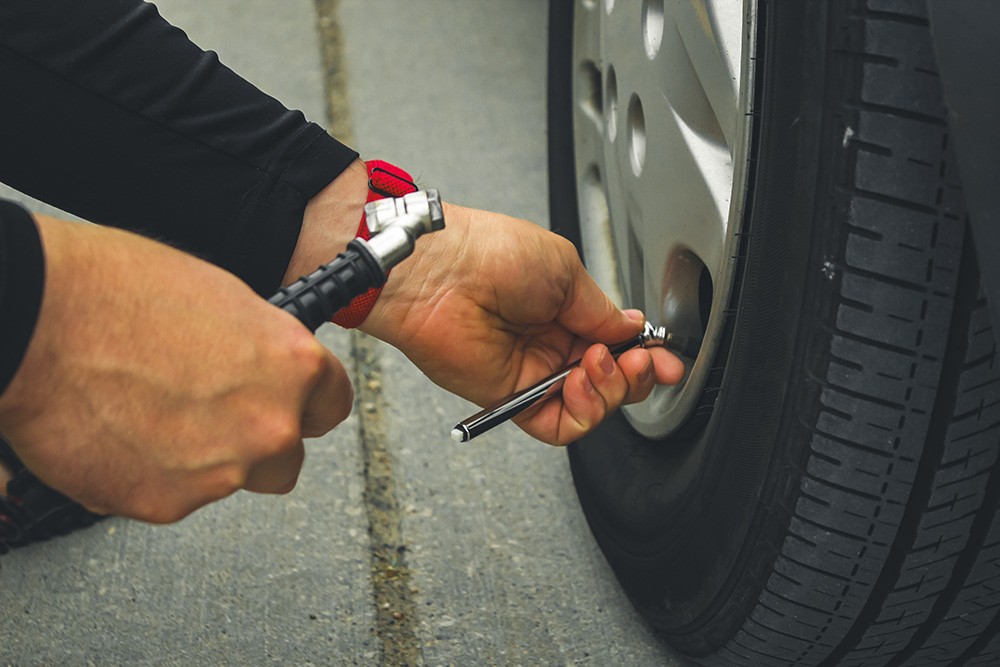
Checking your tire pressure may not always be top of mind, yet it remains one of the easiest ways to save on fuel and extend the life of your tires.
Proper tire inflation is essential to vehicle stability and reduces the risk of blowout, according to the National Highway Traffic Safety Administration. As spring temperatures fluctuate from cool mornings to warm afternoons, your tire pressure can change as well.
That’s why you need regular tire checks for safe driving and reliable vehicle performance throughout the season.
5 Reasons to Check Tire Pressure in Early Spring
- Rising temperatures affect PSI: As the weather warms, your tires can expand. If your tires were inflated during cooler days, spring heat can push them above the recommended PSI.
- Better pressure means better fuel economy: The NHTSA notes that for every 1 PSI drop in tire pressure, gas mileage reduces by 0.2%. Keeping your tires properly inflated this spring helps your engine run efficiently and saves you money at the pump.
- Temperature swings cause inconsistent pressure: Rapid temperature changes can confuse your tires. The fluctuations may trigger your Tire Pressure Monitoring System and make slow leaks harder to detect.
- Proper inflation prevents premature tire wear: Underinflated tires put extra stress on tread edges and sidewalls. Overinflated tires wear out the center tread too quickly. Spring is the perfect time to correct these issues and extend your tire’s lifespan.
- TPMS doesn’t always catch early problems: Most TPMS sensors only alert you once pressure drops 25% below the manufacturer’s recommended level. This means your tires could be running low without a warning light. That is why you should always check your tires manually.
How to Extend the Life of Your Tires This Spring
Here is a practical guide from the NHTSA that keeps your tires in top shape and keeps you safe on the road.
- Use the correct recommended pressure: Always inflate your tires to the PSI listed in your vehicle owner’s manual or on the driver-side door jamb. Avoid using the maximum pressure printed on the tire sidewall. This is intended for heavy loads and not daily driving.
- Check cool tires only: For accurate readings check tire pressure first thing in the morning or after parking the car for at least three hours. Driving heats up tires and temporarily raises air pressure which can be misleading.
- Inspect all tires monthly: Check your tires every month including the spare. Spring weather patterns can cause slow leaks. Monthly checks help you catch underinflation early and prevent uneven tread wear.
- Look for visible damage: Examine tread depth, sidewalls and valve stems for bulges, cracks and embedded objects. Spring potholes and debris can weaken tires and make minor damage worsen over time.
- Track tire age: Most manufacturers recommend replacing tires every six years regardless of mileage. As temperatures rise, aging rubber becomes more prone to fading and cracking.
- Invest in a reliable gauge: Use a stick, dial or digital gauge instead of relying only on TPMS. TPMS systems only trigger warnings when pressure drops 25% below recommended levels. A personal gauge lets you monitor tire pressure accurately.
- Ask for professional advice: If you notice consistent pressure loss, unusual tire wear or tire damage, take your vehicle to a certified tire technician. A professional inspection reveals slow leaks and structural issues that a quick home check might miss.
- Rotate tires regularly: Rotate your tires every 5,000-7,000 miles for your tires to wear out at the same time. When you get your oil changed this spring, ask your auto shop to also rotate your tires. This saves time and ensures it’s done consistently.
- Check tire alignment: Misaligned wheels can cause tires to wear unevenly. This reduces fuel efficiency and handling performance of your vehicle. How to know you have misaligned wheels? If your car drifts slightly to one side, schedule a professional alignment check this spring.
- Keep tires clean and free of debris: Dirt, mud and small stones can hide cracks or punctures. Wash your tires regularly with a garden hose or pressure washer. Use a stiff brush to remove lodged debris. This helps you spot damage early and maintain optimal traction.