
 Print
Print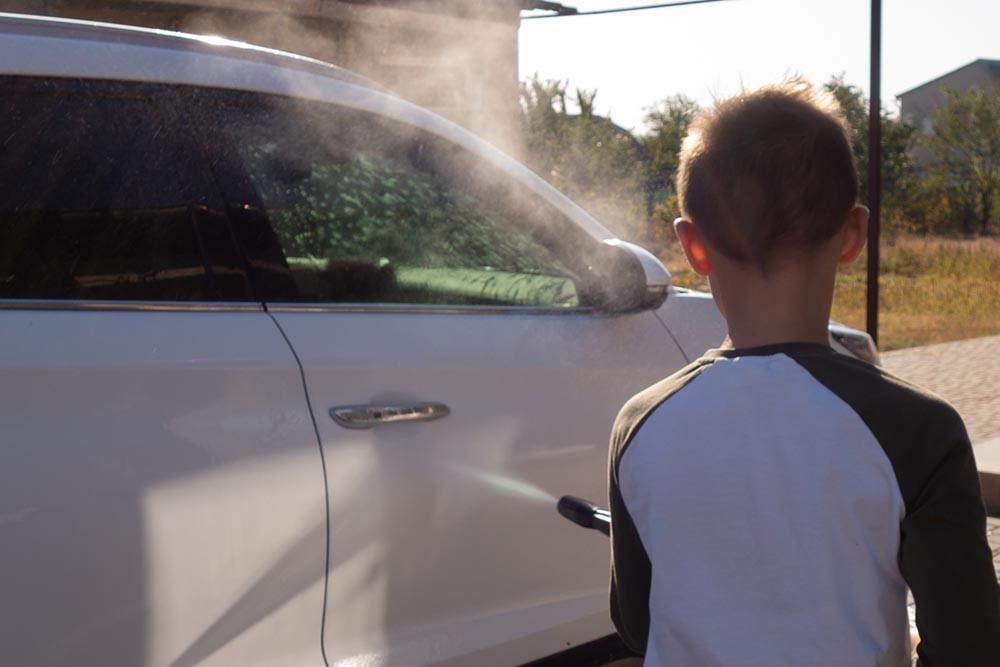
Months of summer driving exposes your vehicle’s paint to harsh sunlight, bug splatter, road tar, pollen and dust.
Left untreated, these contaminants can etch into the finish, leave stubborn stains and dull your car’s shine.
"The transition into autumn is one of the best times to protect your vehicle's exterior because you're removing months of accumulated contamination before cooler, wetter weather sets in," said Scott Myers of Scott Myers Detailing.
“Cleaning and protecting your vehicle’s exterior before autumn is in full swing builds a protective barrier that makes it harder for those contaminants to bond with the finish."
With 35 years of experience in the automotive detailing industry, Myers has spent his career helping thousands of vehicle owners protect their vehicles from seasonal damage.
His expertise includes surface decontamination, paint correction and exterior protection with a strong focus on preventive maintenance and long-term paint conditioning.
Myers shared the following tips for preparing a vehicle’s exterior for autumn:
1. Rinse off abrasive particles
Autumn harvest season, rural highways, farm equipment and industrial fallout can leave a thin layer of microscopic debris clinging to your vehicle’s paint, even when the surface appears clean.
"One of the biggest mistakes many car owners make is washing before rinsing off these invisible particles," said Myers. "A thorough rinse removes loose dust, dirt and pollen before you touch the paint with a wash mitt, reducing the risk of scratching your vehicle’s finish."
Rinse your vehicle thoroughly to remove agricultural dust, pollen and other abrasive particles before washing. This reduces the risk of dragging these contaminants across the paint and causing swirl marks or scratches.
2. Wash away summer contaminants
Follow up with a wash to remove road grime, bug residue, tree sap and other contaminants.
"A protective product is only as effective as the surface beneath it," said Myers. "Taking the time to thoroughly wash the vehicle and remove built-up residue before applying protection preserves the finish and gives waxes and sealants a better foundation to bond with."
Washing the surface before applying wax or sealant ensures these deposits aren’t trapped beneath the protective layer.
Focus on the wheel wells, underbody, door jambs and around the trunk opening. These areas are often overlooked during routine washes. Wash these overlooked areas to remove dirt and debris that can trap moisture against painted surfaces which increases the risk of corrosion.
3. Remove tar before it hardens
Inspect your vehicle for tar spots, especially if you have recently driven through road construction zones where fresh asphalt can easily stick to paint.
Myers recommends this step-by-step approach to remove tar from your vehicle:
- Wash and dry your vehicle to remove loose dirt and debris.
- Apply tar removal product designed specifically for automobile surfaces.
- Make sure to read and follow manufacturer's directions on proper usage.
- Pay extra attention to lower doors, rocker panels and behind wheel wells.
- Wipe residue with a clean microfiber cloth. Avoid excessive scrubbing.
- Wash the treated areas again before applying wax or protective coating.
"A quality product breaks down the residue and lifts it from the surface with minimal effort to protect your vehicle’s paint from scratches," said Myers.
4. Check vehicle for tree sap
Remove any tree sap left behind from summer before cooler autumn temperatures cause it to harden and bond to your vehicle's paint.
"Always use a clean section of your microfiber cloth as you remove sap. Once the cloth picks up grit, wiping with the same area can leave scratches on the clear coat," Myers said.
Autumn temperatures can also leave fresh tree sap on your vehicle if you regularly park beneath trees, especially on the hood, roof and trunk. Soften surfaces with a tree sap remover and gently lift it away using a clean microfiber cloth.
5. Apply a protective wax or sealant
Use a protective coating on your vehicle after the exterior has been thoroughly cleaned. Apply a quality wax, paint sealant or ceramic coating to build a barrier that protects the finish from contaminants throughout the season.
"When you apply a quality protective coating before autumn, you're giving the elements something else to wear down instead of your vehicle's clear coat," Myers said.
Myers suggests the following steps for best results:
- Ensure the vehicle is clean and dry before applying protection.
- Apply a thin layer using a foam or microfiber applicator pad.
- Allow product work for the amount of time recommended by the manufacturer.
- Polish with a clean microfiber towel for streak-free finish.
- Avoid manual or drive-through washes vehicles for 24 hours to allow the protective layer to bond with paint.
Additional tips to protect your vehicle’s exterior
- Inspect paint after washing: Always check for tar and sap residue or embedded debris before applying protective products.
- Wipe door jambs: Clean hidden areas around doors, trunk and hood to remove dirt or moisture that routine washes might miss.
- Clear drainage areas: Remove leaves and debris from cowl panels, drain channels and hard-to-reach openings to prevent moisture buildup.
- Clean around mirrors and badges: Use a soft detailing brush to remove dirt and debris from crevices where contaminants can accumulate.
- Wash brake dust from wheels: Rinse wheels to prevent brake dust from bonding to the surface and becoming more difficult to remove.
- Remove bird droppings: Clean acidic deposits as soon as possible to reduce the risk of stains and paint damage.
- Avoid parking under trees: Limit exposure to falling sap and leaves that can cling to vehicle paint and stain the finish.
- Rinse the underside: Wash away dirt, mud and debris from the undercarriage, where trapped moisture can accelerate rust and corrosion.
- Store cleaning supplies: Keep microfiber towels and detailing tools clean and store in a dust-free place to avoid transferring grit back to the vehicle’s surface.
Copyright © 2026 by Sensible Driver. All rights reserved.